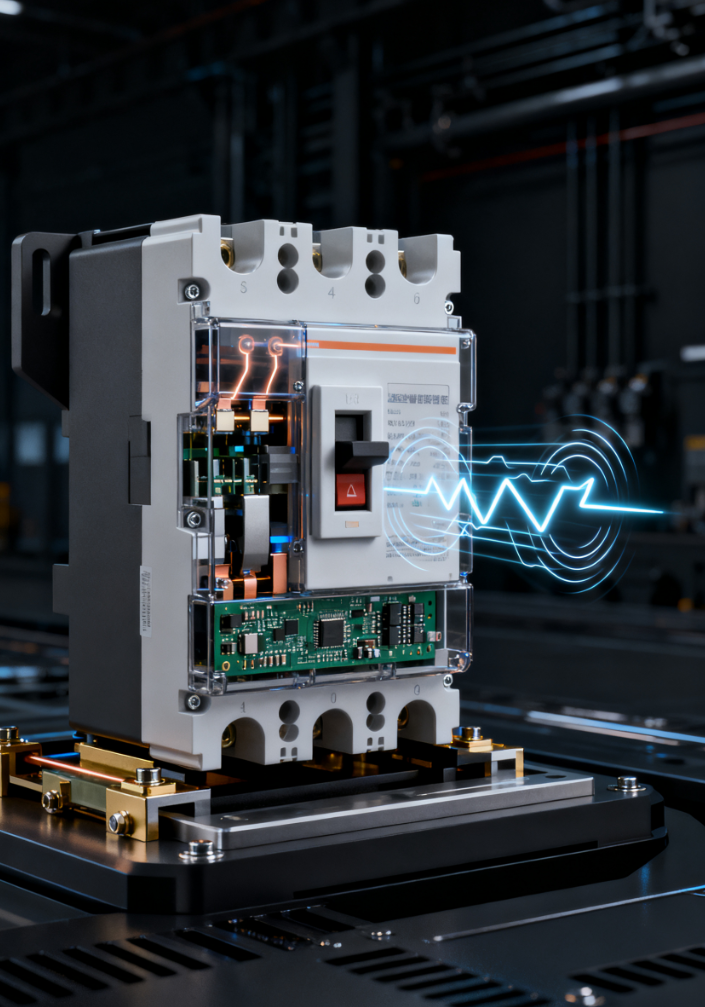
Deep within the intricate network of urban underground pipes, in the wastewater treatment centers of industrial parks, and on the front lines of rural ecological restoration, the stable operation of water treatment systems is crucial for the water safety of hundreds of millions of people and the continuous improvement of the ecological environment. In traditional wastewater treatment processes, the energy consumption of aeration accounts for over 60% of the entire plant's energy use, and the accuracy of dosing control directly affects the treatment outcome. Godelon solid state relays, with their microsecond response, contactless switching, and extremely long lifespan, are becoming the core technical support for energy conservation, emission reduction, quality improvement, and efficiency enhancement in the modern water treatment industry.
Intelligent Control of Biological Treatment Processes: "Breathing" Management of Activated Sludge
The activated sludge process is the core technology in wastewater treatment, and oxygen supply control directly affects treatment efficiency and energy consumption:
Precise control of forced aeration:
Stratified regulation of dissolved oxygen: Maintain DO at 2-3 mg/L at the front end of the aerobic tank and 1-2 mg/L at the rear end, increasing the efficiency of nitrification and denitrification by 25%.
Airflow-load linkage: Adjusting aeration volume in real time based on the COD and ammonia nitrogen of the influent water, achieving energy savings of 30-40%.
Anti-clogging of aeration heads: Intermittent aeration control reduces the clogging rate of aeration heads by 80%.
Fan group control: Multiple fans are intelligently started and stopped based on air volume demand to prevent surging.
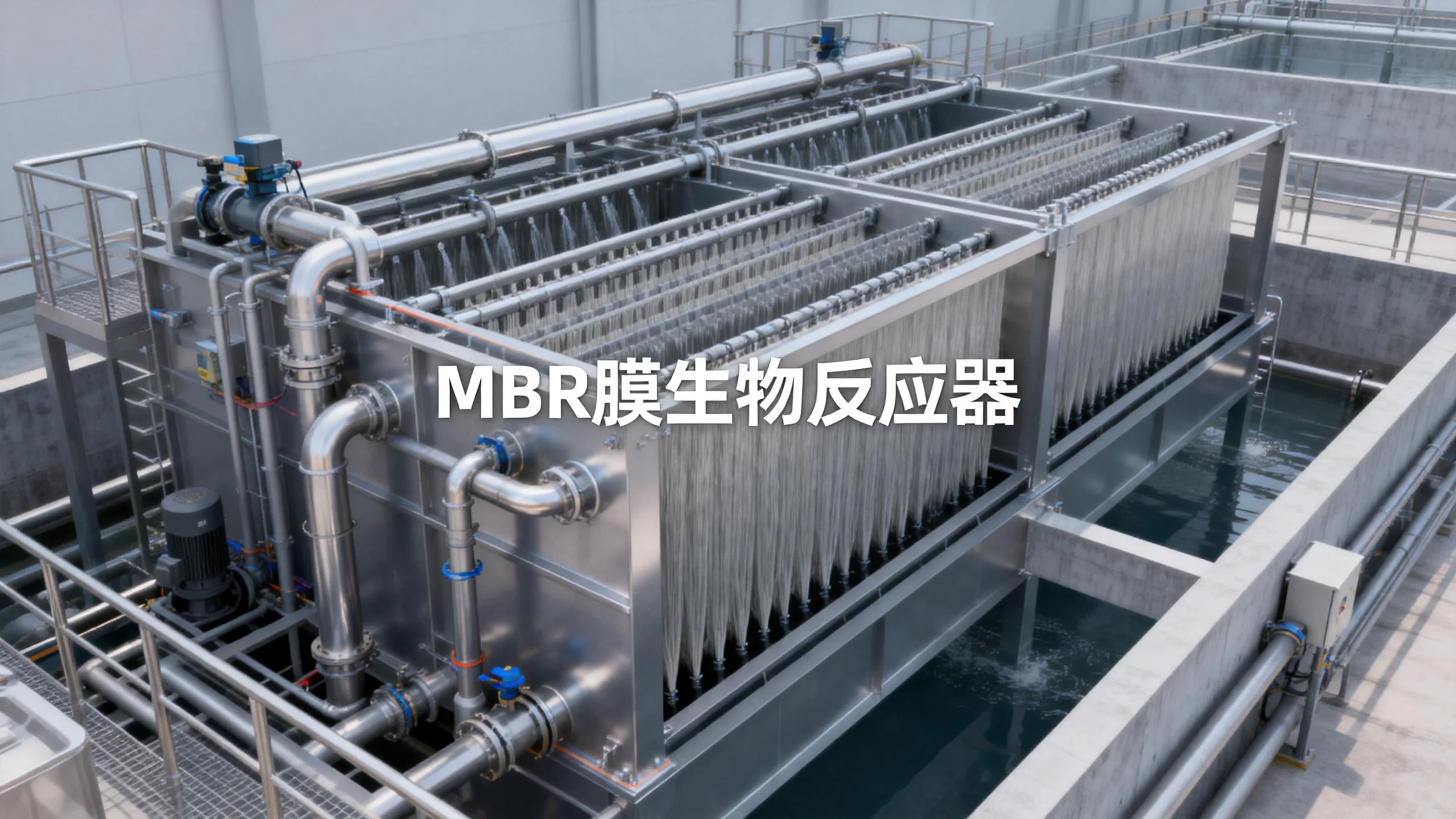
MBR Membrane Bioreactor:
Transmembrane pressure difference control: Real-time monitoring of TMP, optimized backwashing frequency, and 50% extended membrane lifespan.
Aeration scrubbing control: The intensity of membrane scrubbing aeration is automatically adjusted according to the degree of pollution.
Online chemical cleaning: Automatic start of online cleaning when the pollution index reaches the threshold.
Membrane integrity monitoring: The bubble detection method automatically monitors membrane integrity and promptly alerts in case of damage.
Optimization of Biological Nitrogen and Phosphorus Removal:
Precise ORP control: The ORP in the anoxic section is controlled at -50 to -150 mV to maximize denitrification efficiency.
Precise carbon source addition: Adjust the carbon source dosage in real time based on the concentration of nitrate nitrogen, saving 20% of the carbon source.
Anaerobic phosphorus release control: In the anaerobic section, DO should be less than 0.2 mg/L to ensure complete phosphorus release, with a phosphorus removal efficiency of over 90%.
Automatic sequence switching: The SBR process sequence is fully automatically controlled, and the cycle time is optimized based on water quality.
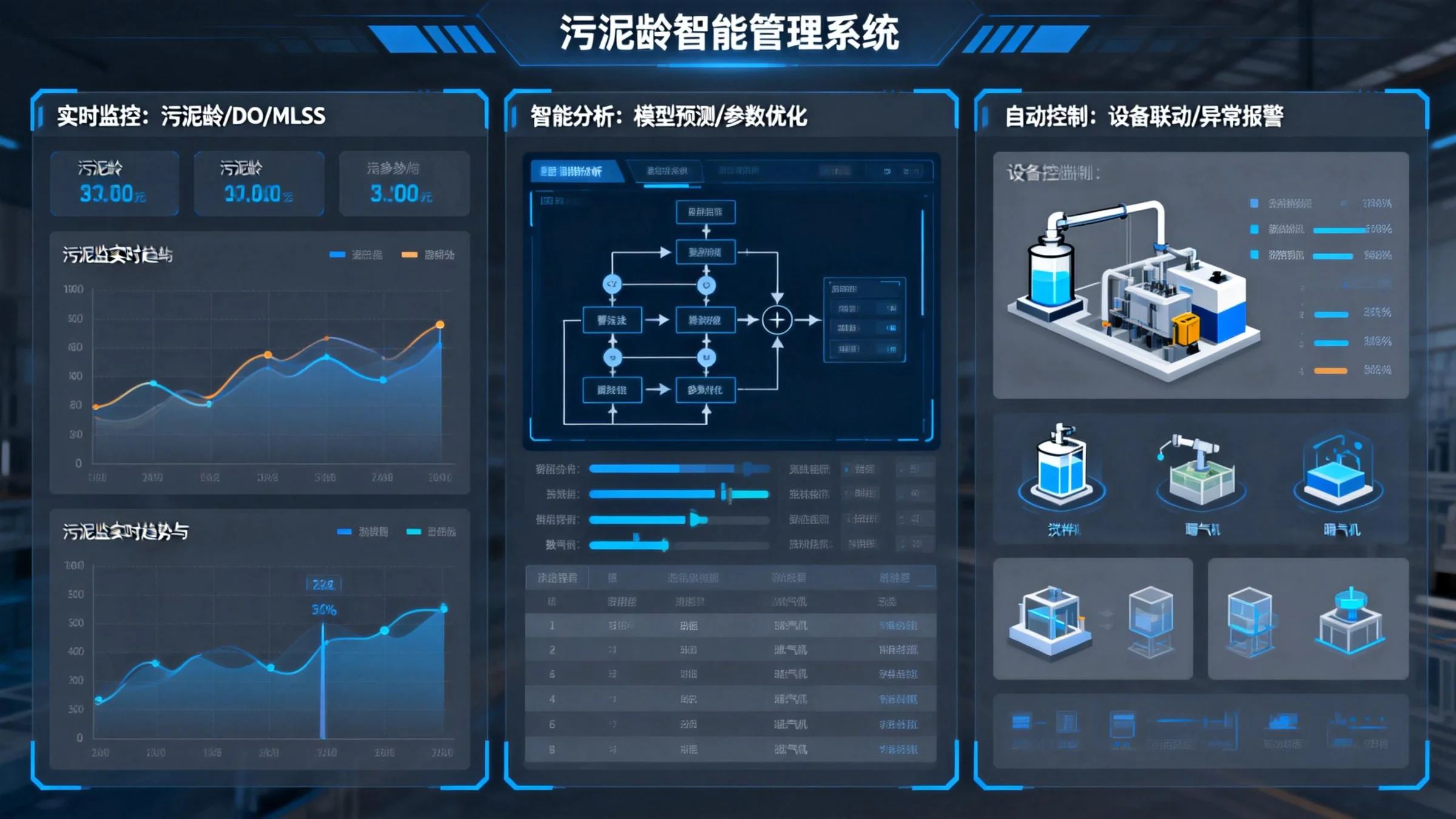
Intelligent management of sludge age:
Precise sludge discharge control: Automatically calculate the sludge discharge volume based on sludge concentration and F/M ratio.
Sludge return optimization: The return ratio is dynamically adjusted based on the influent load to maintain sludge activity.
Sludge bulking early warning: Automatic early warning when SVI exceeds 150, adjust operation parameters
Temperature control in the digestion tank: Mesophilic digestion at 35℃ ± 1℃, with a 15% increase in gas production rate.
After the Beijing Gaobeidian Wastewater Treatment Plant adopted the Godelin aeration control system, the power consumption per ton of water dropped from 0.35 kWh to 0.25 kWh, saving 12 million kWh of electricity annually, and the effluent quality has been stably meeting the Beijing B standard.
Precise operation in physical and chemical treatment: accurate dosing of each drop of reagent
Efficient utilization of chemical reagents is the key to reducing operating costs:
Intelligent control of coagulation and sedimentation:
Turbidity feedforward control: Real-time monitoring of influent turbidity, and advance adjustment of flocculant dosage.
Flow current monitoring: Automatic adjustment of coagulant dosage based on flow current to achieve the best floc formation.
pH Synergistic Control: Automatically adjust the dosage of acid and alkali based on the pH of the raw water to optimize the coagulation effect.
Sludge scraping control in sedimentation tanks: The operating speed of the sludge scraper is automatically adjusted according to the sludge concentration.
Optimization of Chemical Addition in Advanced Treatment:
Phosphorus removal agent control: Real-time monitoring of total phosphorus in the effluent, and precise control of the dosage of aluminum salts/iron salts.
Carbon source dosing system: Precise carbon source dosing based on the C/N ratio to maximize denitrification efficiency
Precise control of disinfectant: Online monitoring of residual chlorine, automatic adjustment of sodium hypochlorite dosage
Activated carbon addition: Control the addition of activated carbon based on the concentration of organic matter, and the adsorption efficiency is improved.
Membrane treatment system control:
Ultrafiltration backwash control: The backwash frequency is automatically adjusted based on the transmembrane pressure difference, and the membrane flux is kept stable.
Nanofiltration/RO control: The proportion of concentrated water reflux is automatically optimized, and the recovery rate is increased by 5%.
Automatic chemical cleaning: Chemical cleaning is automatically initiated when the pollution index reaches the set value.
Energy recovery control: Intelligent control of high-pressure concentrated water energy recovery device, reducing energy consumption by 30%
Optimization of Sludge Dewatering:
Precise addition of conditioning agents: Optimization of conditioning agent addition based on sludge properties, with an increase in dry solids content
Centrifuge control: The differential speed is automatically adjusted according to the sludge concentration, and the dryness of the sludge cake is increased by 2%.
Plate and frame filter press control: Staged control of the pressing pressure, optimized pressing time
Drying system control: The drying temperature is automatically adjusted according to the moisture content of the sludge, reducing energy consumption by 20%.
The intelligent upgrade of the automated monitoring network: from manual inspection to intelligent perception
The monitoring network of modern water treatment plants is evolving towards full automation and intelligence:
Online monitoring system:
Multi-parameter water quality monitoring: real-time monitoring of pH, DO, ORP, turbidity, COD, ammonia nitrogen and total phosphorus.
Accurate flow measurement: Electromagnetic/Ultrasonic flowmeters, with an accuracy of ±0.5%, and dual display of instantaneous and cumulative flow.
Mud level concentration monitoring: Ultrasonic mud level meter, precise measurement of sludge concentration from 0 to 20g/L.
Toxic gas monitoring: Real-time monitoring of hydrogen sulfide, methane, and oxygen concentration, with safety alerts.
Video intelligent analysis:
Equipment status recognition: Visual recognition of the operating status of water pumps, fans, and agitators
Liquid level visual measurement: Key pool liquid level auxiliary measurement, double guarantee
Safety behavior monitoring: Intelligent recognition of personnel safety behaviors and violation alerts
Intrusion Detection: Automatic detection of intrusions in key areas and linked alarm response
Wireless Sensor Network:
Wireless monitoring of water quality and flow at key nodes of the drainage network: Pipe network monitoring node
Mobile monitoring equipment: Regular inspections by drones and unmanned vessels to cover blind spots.
Environmental parameter monitoring: Wireless monitoring of factory boundary noise and malodorous concentration
Equipment vibration monitoring: Wireless vibration monitoring of key rotating equipment, predictive maintenance
Data collection and transmission:
High-speed data acquisition: Millisecond-level data acquisition, waveform analysis supported
Disconnection recovery guarantee: Data is locally stored during communication interruption and automatically retransmitted after recovery.
Data quality verification: Automatic identification of abnormal data, verification of measurement validity
Remote configuration and maintenance: Monitor remote configuration of device parameters and remote firmware upgrade.
Intelligent Operation and Maintenance and Predictive Maintenance: From "Firefighting" to "Fire Prevention"
The reliable operation of water treatment equipment is the guarantee of continuous production:
Equipment Health Management System:
Online vibration monitoring: Vibration spectrum analysis of pump and fan bearings, early fault identification
Temperature status monitoring: Real-time monitoring of motor winding and bearing temperatures, with overheating warnings.
Current characteristic analysis: Motor current harmonic analysis, early detection of abnormal load
Efficiency attenuation monitoring: Real-time calculation of pump efficiency, timely warning of performance decline
Predictive Maintenance Platform:
Remaining life prediction: Equipment remaining life prediction based on operational data
Maintenance timing optimization: Best maintenance timing suggestions based on status prediction
Spares demand forecasting: Spares consumption prediction, inventory optimization
Maintenance plan recommendation: Maintenance plan recommendation based on similar fault cases
Intelligent Inspection System:
Inspection route optimization: Inspection route optimization based on equipment importance and status
AR-assisted inspection: AR glasses-assisted inspection, enhanced display of equipment information
Automatic data collection: Data is automatically collected during the inspection process, reducing manual input.
Defect intelligent recognition: Automatic recognition and classification archiving of equipment defect images
Knowledge Management System:
Fault case library: Accumulation of historical fault cases, quick matching of similar faults
Maintenance Experience Database: Standardization of Maintenance Experience, Quick Onboarding for Novices
Expert Diagnosis System: Remote Expert Diagnosis Support for Complex Faults
Training and assessment system: Training and assessment based on real cases
The Revolution of Fine-Tuned Energy Management: Intelligent Utilization of Every Kilowatt-Hour
Water treatment is a high-energy-consuming industry with huge potential for energy conservation:
Energy-saving optimization of pumping stations:
Variable frequency control of water pumps: Automatically adjust the speed of water pumps based on liquid level or flow rate, saving 25-40% of electricity.
Optimal scheduling of pump groups: Optimal combination of multiple pumps to always operate in the high-efficiency zone.
Peak shaving and valley filling control: Increase processing volume during off-peak electricity hours, saving 15% on electricity bills.
Hydraulic model optimization: Pump station optimization control based on pipe network hydraulic model
Energy conservation of the blower system:
Precise air volume control: Control the air volume precisely based on the DO demand to avoid excessive aeration.
Blower efficiency optimization: Ensure the blower always operates in the high-efficiency zone.
Aeration system balance: Even distribution of air volume in each aeration branch to prevent local hypoxia.
Pressure loss monitoring: Monitoring of pressure loss in the aeration system, and timely handling of blockages.
Energy conservation in sludge treatment:
Digestion heating optimization: Precise control of the heating temperature in the digestion tank, minimizing heat loss.
Optimization of biogas utilization: Biogas production prediction, load optimization of generator sets
Drying heat source optimization: Multi-level utilization of heat sources in the drying system, improving thermal efficiency
Waste heat recovery control: Recovery and utilization of waste heat from high-temperature equipment, and energy cascade utilization
Energy management for the entire factory:
Energy metering network: Independent energy consumption measurement for each process section and energy efficiency analysis
Energy efficiency benchmarking management: Benchmarking energy efficiency in each process section and continuous improvement.
Energy-saving potential diagnosis: Energy-saving potential identification based on data analysis
Carbon emission accounting: Precise calculation of the entire plant's carbon emissions and assessment of carbon reduction effectiveness.
Construction of Smart Water Management Platform: Upgrading from Single Plant to Watershed
Modern water treatment is evolving from single-plant management to smart watershed control:
Integrated control of power plants and grids:
Interconnection between pipeline network and treatment plant: Pipeline network flow prediction, and the treatment plant adjusts its operation parameters in advance.
Overflow pollution control: Intelligent switching in rainy weather mode, reduction of overflow pollution
Joint dispatching of pump station groups: Optimal joint dispatching of pump stations within a basin to minimize operating costs.
Water Quality Safety Early Warning: Emergency Preparedness of Downstream Treatment Plants Based on Upstream Water Quality Early Warning
Watershed water quality management:
Pollution source tracing: Rapid pollution source tracing based on water quality fingerprints
Ecological flow guarantee: Real-time monitoring and guarantee of ecological flow in the downstream area
Non-point source pollution control: Monitoring and control of agricultural non-point source pollution
Dynamic assessment of water environmental capacity based on models: Evaluation of water environmental capacity
Emergency Command System:
Emergency event early warning: Automatic early warning for incidents such as pipe burst and sudden water quality changes in the pipeline network.
Emergency response plan management: Digital management of emergency response plans, one-click activation
Emergency resource scheduling: Intelligent scheduling of emergency supplies, personnel and vehicles
Command and decision support: Emergency command and decision support system based on GIS
Public Service Platform:
Water usage information inquiry: Convenient inquiry of residents' water consumption and water quality information
Installation and repair service: Online application for installation and repair, real-time progress tracking
Water-saving Incentive Platform: Water-saving Behavior Recording and Incentive
Public Participation in Supervision: Public Reporting and Oversight of Water Environment Issues
The Convergence and Innovation of Emerging Technologies: The Future Direction of Water Treatment
Water treatment technologies are deeply integrating with emerging technologies:
Application of Internet of Things Technology:
Intelligent sensor network: Low-power wide area network sensors with battery life of over 5 years
Edge computing applications: Data is preprocessed on the edge side to reduce transmission pressure.
Digital Twin Construction: Digital Twin of Water Treatment Plant, Virtual Commissioning and Optimization
Blockchain technology: Data processing is unalterable and regulatory audits are trustworthy.
Applications of artificial intelligence:
Intelligent dosing control: Dosing quantity prediction control based on machine learning
Anomaly Detection and Early Warning: Early Warning of Process Anomalies Based on Deep Learning
Optimization operation guidance: Operation parameter optimization based on reinforcement learning
Intelligent Diagnosis System: Intelligent Fault Diagnosis of Equipment Based on Knowledge Graph
Advanced Materials Application:
Intelligent membrane materials: Applications of self-cleaning and self-healing intelligent membrane materials
High-efficiency catalyst: New catalytic materials, advanced oxidation efficiency improvement
Regeneration of adsorption materials: Online regeneration control of adsorption materials
Functional Microorganisms: Application and Control of High-Efficiency Functional Microbial Agents
Resource recovery technology:
Phosphorus recovery control: Intelligent control of struvite crystallization process, phosphorus recovery rate > 80%
Cellulose recovery: Recovery and utilization of cellulose resources in sludge
Thermal energy recovery optimization: Intelligent control of wastewater thermal energy recovery system
Water resource regeneration: intelligent dispatching of reclaimed water production and utilization
Economic Benefits and Social Value
Gordon Water Treatment Solutions Create Significant Value:
Reduced operating costs:
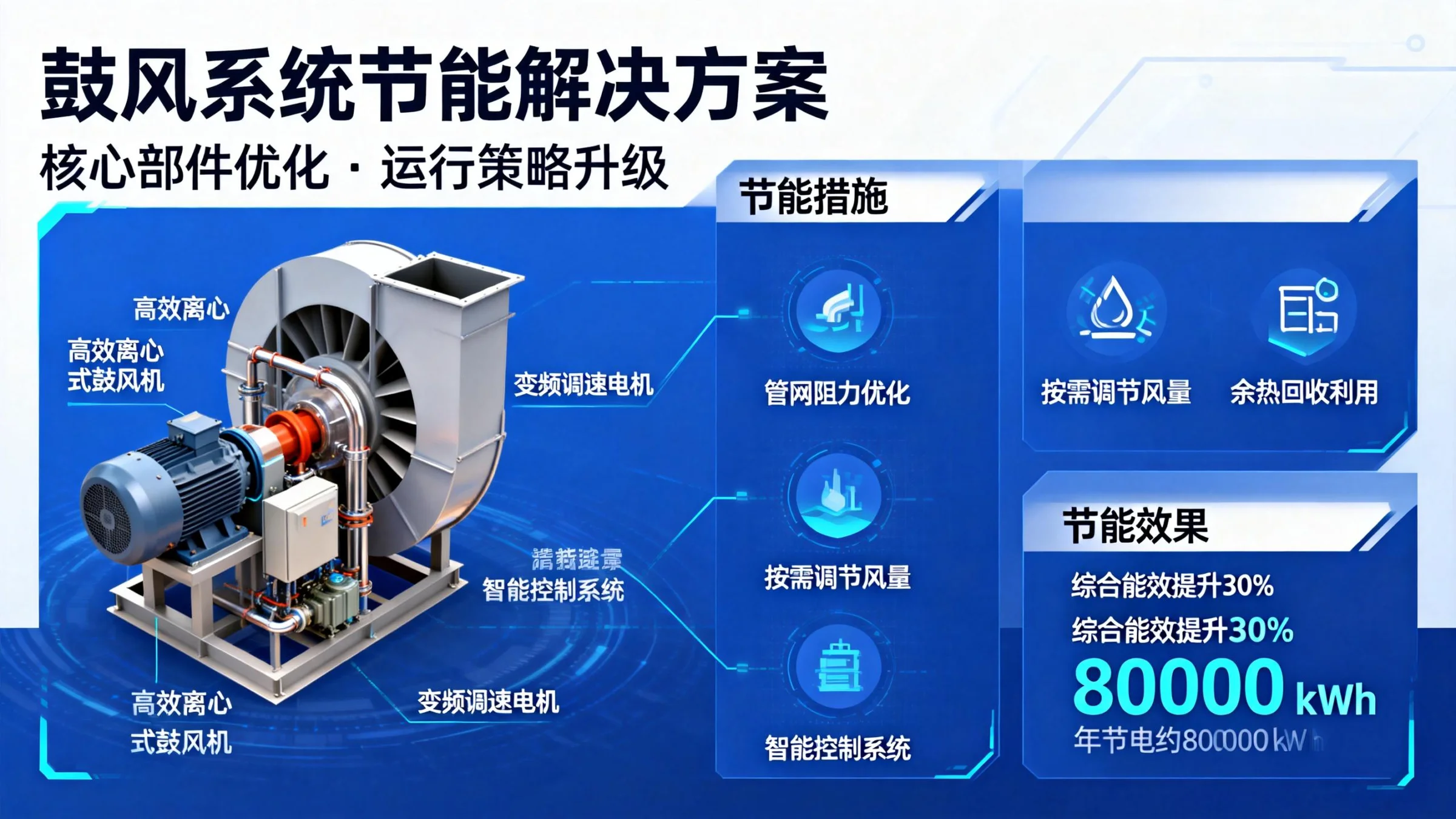
Electricity cost savings: Comprehensive power saving of 20-30%, with annual electricity cost savings amounting to several million yuan.
Reduction in chemical consumption: Optimization of chemical dosage saves 15-25%
Labor cost: With the improvement of automation, the number of operating personnel can be reduced by 30-50%.
Maintenance costs: Predictive maintenance reduces unexpected repairs, lowering maintenance costs by 20%.
Improved processing effect:
The effluent quality: stable compliance, with some indicators better than the discharge standards.
Processing capacity: The processing capacity per unit pool volume is increased by 10-20%.
Resistance to shock loading: The capacity to resist fluctuations in water quality and quantity has been significantly enhanced.
Operational stability: The process parameters are stable, and the effluent water quality fluctuates minimally.
Significant environmental benefits:
Significant reductions in pollutant emissions: COD, ammonia nitrogen, and total phosphorus emissions have been notably decreased.
Carbon emission reduction: Energy conservation and consumption reduction lead to a decrease in carbon emissions.
Resource recovery: Recovery and utilization of resources such as phosphorus and thermal energy.
Ecological improvement: Water quality of the receiving water body is enhanced and the ecological environment is restored.
Social value embodiment:
Water supply security guarantee: Meeting sewage treatment standards, protecting water supply sources
Public health protection: improvement of water environment and enhancement of public health standards
Urban image enhancement: Water environment improvement, urban quality elevation
Sustainable development: Sustainable utilization of water resources to support economic and social development
Under the guidance of ecological civilization construction and the strategy of a beautiful China, Godel Electric will continue to focus on the field of environmental water treatment, leveraging precise and reliable control technology to facilitate the development of the water treatment industry towards refinement, intelligence, and resource utilization. From wastewater treatment to resource recovery, and from single-factory operation to basin management, Godel control systems are safeguarding every aspect of water environment governance.
Choosing Godeln Water Treatment Solutions means choosing a commitment to green mountains and clear waters. Let's join hands and use innovative control technologies to jointly protect the source of life and contribute solid technical strength to building a beautiful China.