The Stable Foundation of the Chemical Industry: Key Applications of Golden Solid State Relays in Process Industries
Beside the huge reaction vessels, within the intricate piping networks, and inside the precise separation towers, every stage of chemical production is a drama of precise control over temperature, pressure, and flow. In traditional chemical production processes, even minor fluctuations in the control system can lead to substandard products or even safety incidents. Solid state relays, with their contactless, highly reliable, and long-lasting features, are emerging as the secret weapon for modern chemical industry automation upgrades.
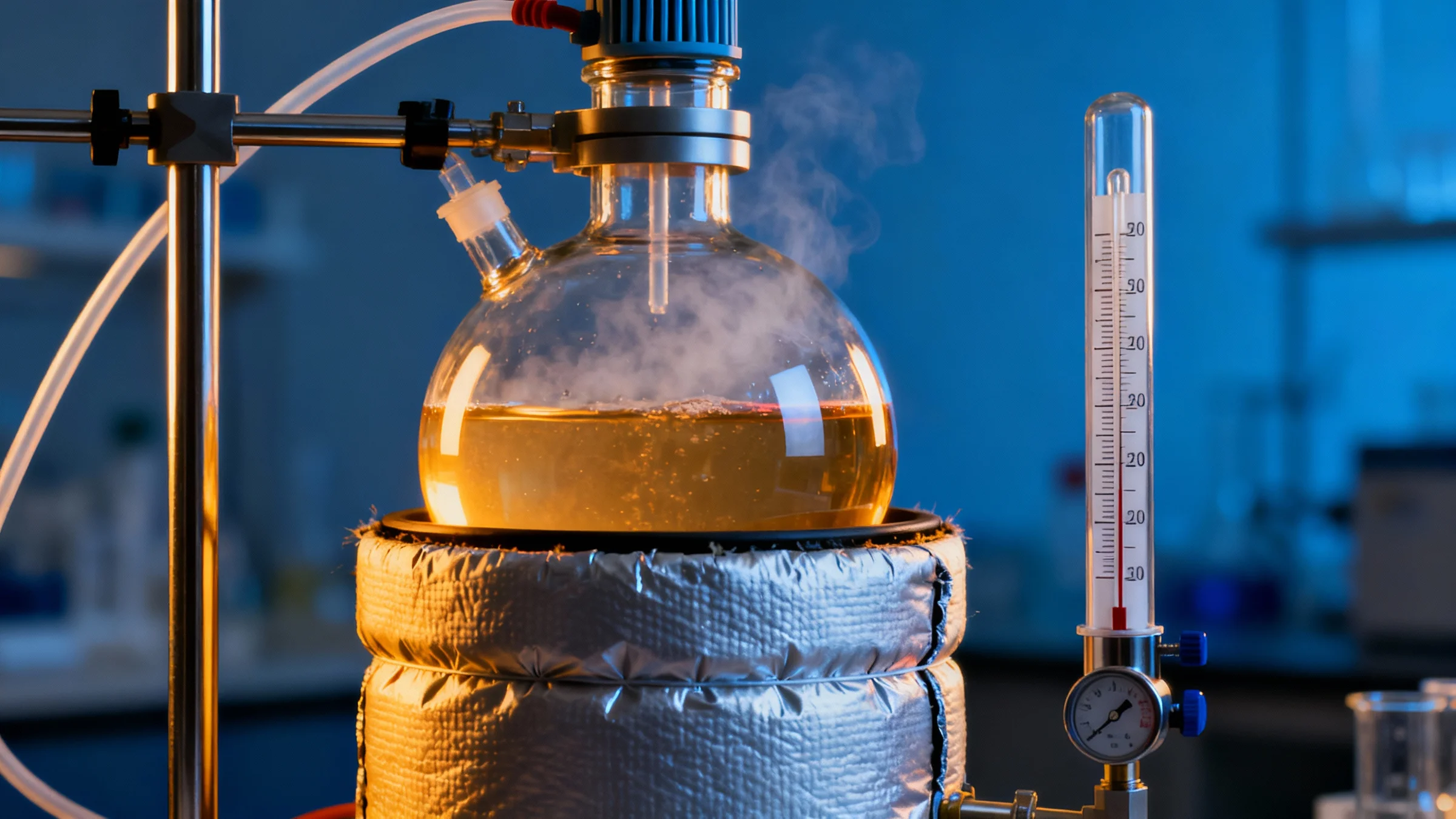
Reaction process control: Precise control of chemical changes
Chemical reactions are the heart of chemical production, and the accuracy of temperature control directly affects reaction efficiency and product quality:
Precise temperature control in polymerization reactions:
Multi-point temperature monitoring: Simultaneous monitoring of multiple points on the reactor wall, inside the material, and in the jacket, with temperature difference control within ±0.5℃.
Dynamic temperature curve: Automatically adjust the heating rate according to the degree of polymerization, with a molecular weight distribution CV value < 15%.
Emergency cooling: The emergency cooling system starts within 3 seconds when the reaction gets out of control to prevent thermal runaway.
Energy optimization: Real-time calculation of reaction heat, preheating materials reduces energy consumption by 20%
Catalytic reaction control optimization:
Catalyst activity retention: Maintaining the optimal activity temperature window of the catalyst through temperature control.
Selective control: Inhibition of side reaction temperature, increase in selectivity of target product by 5-8%
Deactivation Warning: Temperature Feature Recognition Before Catalyst Deactivation for Early Regeneration Arrangement
Online activation: Temperature control for online regeneration of deactivated catalysts
High-pressure reaction safety assurance:
Pressure-temperature coupled control: Temperature control compensating for pressure influence under high pressure
Pressure relief protection: The safety relief system precisely controls during overpressure to prevent material loss.
Emergency shut-off: Cut off the feed within 0.5 seconds when the temperature or pressure is abnormal.
Data recording: Complete records of temperature and pressure throughout the entire reaction process, meeting GMP requirements.
After Wanhua Chemical adopted the Godel control system in its MDI production facilities, the rate of top-quality products rose from 92% to 98%, energy consumption per unit decreased by 15%, and the annual increase in benefits exceeded 80 million yuan.
Separation and purification: Precise operations at the molecular level
The energy consumption of chemical separation processes accounts for 40-70% of the entire process, making intelligent control of great significance:
Intelligent Control of Distillation Column:
Multivariable decoupling control: coordinated control of top temperature, bottom temperature, reflux ratio and feed temperature of the tower
Energy-saving optimization: Dynamically optimize operating parameters based on feedstock composition, reducing energy consumption by 8-12%.
Interference resistance: Rapidly restore steady state when feed fluctuates, with product purity fluctuation < 0.5%
Bottleneck identification: Real-time identification of tray efficiency decline to guide maintenance planning
Crystallization process control:
Precise control of supersaturation: Maintaining the optimal supersaturation through temperature control improves the crystal size distribution.
Crystal seed addition control: Automatically control the timing and quantity of crystal seed addition based on supersaturation.
Crystal growth control: Slow cooling during the crystal growth stage to reduce crystal defects.
Separation optimization: The centrifuge speed is automatically optimized based on the characteristics of the crystals, increasing the yield by 3-5%.
Membrane separation intelligent control:
Transmembrane pressure difference control: Maintaining optimal separation efficiency, membrane fouling rate reduced by 30%
Backwash Optimization: Intelligent Backwash Based on Flux Decline Prediction to Prolong Membrane Life
Multi-level integration: Coordinated control of multi-level membrane systems for overall recovery rate optimization.
Pollution Warning: Early Feature Identification of Membrane Pollution and Timely Cleaning
Adsorption separation control:
Bed temperature control: Maintaining the optimal adsorption temperature of the adsorbent and increasing the adsorption capacity.
Regeneration optimization: intelligent control of regeneration temperature, time and flow rate, reducing regeneration energy consumption
Sequential control: Precise control of the switching sequence of multiple adsorption towers, ensuring continuous production.
Leakage monitoring: Abnormal bed temperature monitoring to detect leakage in a timely manner.
Management of Hazardous Chemicals: A Smart Defense Line for Safety
In the chemical industry, safety is of paramount importance. Intelligent control offers multiple layers of protection:
Safety control in the storage tank area:
Temperature stratification monitoring: Real-time monitoring of temperature stratification in large storage tanks to prevent local overheating.
Leak detection: Multi-point temperature monitoring around the storage tank for early leak detection
Spray cooling: Automatically activates spray cooling when the ambient temperature is too high.
Emergency shut-off: Automatic cut-off of the relevant storage tank's feed and discharge in case of emergencies such as fire.
Pipeline safety:
Heat tracing control: Precise control of electric heat tracing for material conveying pipelines in sections to prevent solidification and overheating.
Leakage location: Rapid location of leakage points based on temperature anomalies
Valve control: Monitoring and remote control of key valve status
Corrosion monitoring: Abnormal wall temperature monitoring of pipelines, corrosion risk early warning
Production process safety interlock:
Multi-parameter interlock: Temperature, pressure, liquid level, flow multi-parameter safety interlock
Independent safety system: Safety instrumented system independent of DCS, SIL3 certified
Misoperation prevention: Logical interlocking of operation steps to prevent misoperation.
Emergency response: The accident contingency plan is automatically executed to reduce human-induced delays.
Management of Hazardous Chemical Warehouses:
Zoned temperature control: Independent temperature control for different hazardous materials in separate zones.
Ventilation risk control: Intelligent ventilation control based on the characteristics of inventory materials
Fire compartmentation: Automatic control of fire compartments to prevent fire spread.
Inspection Automation: Automatic inspection systems reduce the need for personnel to enter dangerous areas.
Public Utilities Optimization: Smart Energy Management for the Entire Plant
The energy consumption of public utilities in chemical enterprises accounts for 30-40% of the total energy consumption, leaving a huge room for optimization.
Intelligent control of steam systems:
Intelligent balancing of multi-pressure-level coordination: high-pressure, medium-pressure, and low-pressure steam pipe networks
Desuperheating and depressurization optimization: Optimize desuperheating and depressurization operations based on user requirements.
Condensate water recovery: Intelligent control of condensate water recovery system, reducing heat loss
Turbine Control: Optimal Allocation of Steam for Turbine Power Generation and Process Steam Use
Energy conservation in circulating water systems:
Temperature difference control: Dynamically adjust the circulating water volume based on heat exchange requirements, saving 25% of energy for the water pump.
Water quality control: Automatic dosing control, optimization of corrosion and scale inhibition effects
Cooling tower optimization: Intelligent control of fan start-stop and speed to adapt to environmental changes
Leakage monitoring: Abnormal temperature difference monitoring of the system to promptly detect heat exchanger leakage.
Intelligent control of air separation units:
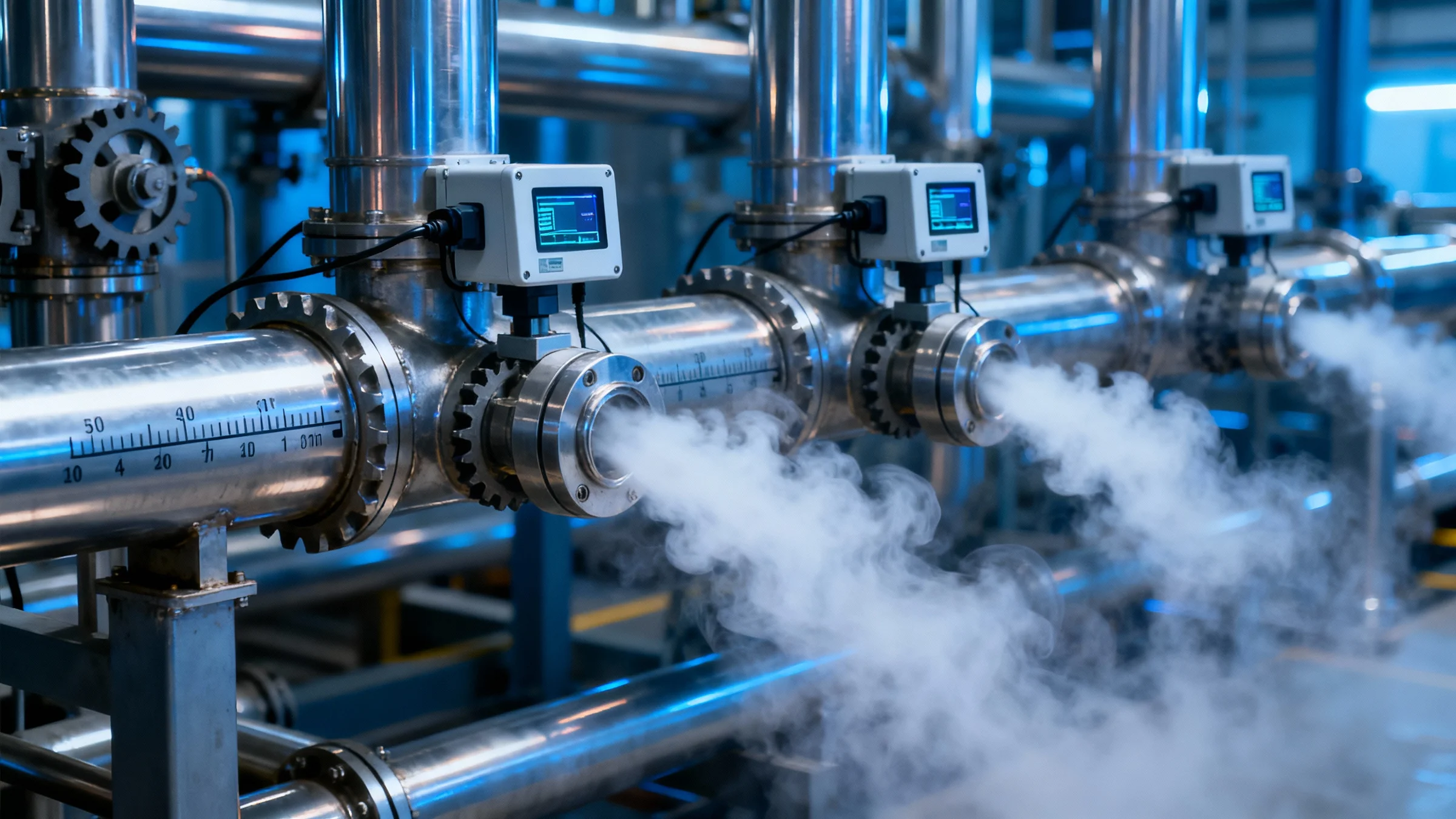
Load tracking: Automatically adjust the load of the air separation unit according to the overall gas demand of the entire plant.
Product ratio optimization: Dynamic optimization of the ratios of oxygen, nitrogen and argon
Energy-saving mode: Automatically enters energy-saving operation mode under low load.
Purity control: The purity of the product is precisely controlled with a fluctuation of less than 0.5%.
Reliable power supply system guarantee:
Dual power supply automatic switching: Switch to the backup power supply within 100ms when the main power supply fails.
Power factor optimization: Dynamic reactive power compensation, maintaining power factor above 0.95
Harmonic management: Automatic monitoring and management of harmonics from frequency converters
Power quality: Real-time monitoring and regulation of voltage fluctuation and flicker
After Yangzi Petrochemical adopted the Godeln Utility Optimization System, the comprehensive energy consumption of the entire plant decreased by 8%, saving 60,000 tons of standard coal annually and reducing CO₂ emissions by 150,000 tons.
Environmental protection governance: Technical support for green chemical engineering
The requirements for environmental protection in the chemical industry are becoming increasingly strict, and intelligent control helps achieve compliance with emission standards.
Intelligent control of wastewater treatment:
Real-time online monitoring of water quality: key indicators such as COD, ammonia nitrogen, and heavy metals.
Precise dosing control: Automatically adjust the dosage of chemicals based on the quality of the influent water.
Biochemical process optimization: Multi-parameter coordinated control of DO, pH, and temperature, enhancing treatment efficiency.
Sludge treatment: Intelligent control of sludge dewatering and drying processes, reducing treatment costs.
Waste gas treatment and control:
RTO/RCO control: Precise control of the temperature and air velocity in the regenerative thermal oxidation device, with a purification efficiency of over 99%.
Adsorption concentration control: Intelligent optimization of activated carbon adsorption and desorption cycles
Dust removal control: The bag filter's dust cleaning cycle is adaptively adjusted, and the pressure drop is stable.
Odor control: Automatically adjust the treatment intensity based on odor concentration.
Solid waste resource control:
Waste catalyst treatment: Process control for the recovery of valuable metals from waste catalysts
Solvent recovery: Distillation recovery of waste solvents and purity control
Hazardous waste incineration: Precise control of incineration temperature and residence time for hazardous waste ensures dioxin compliance.
Resource utilization: Optimization of the resource utilization process of by-products
Environmental monitoring network:
Boundary monitoring: Real-time monitoring of environmental quality at multiple points around the factory boundary
Pollution source tracing: Rapid identification of pollution sources based on monitoring data
Early Warning and Forecast: Environmental Risk Early Warning and Emergency Preparedness
Data Reporting: Environmental data is automatically organized and reported, meeting regulatory requirements.
Equipment Health Management: The Shift from Reactive Maintenance to Predictive Maintenance
High reliability is required for the continuous operation of chemical equipment, and predictive maintenance is becoming a trend:
Monitoring of key equipment status:
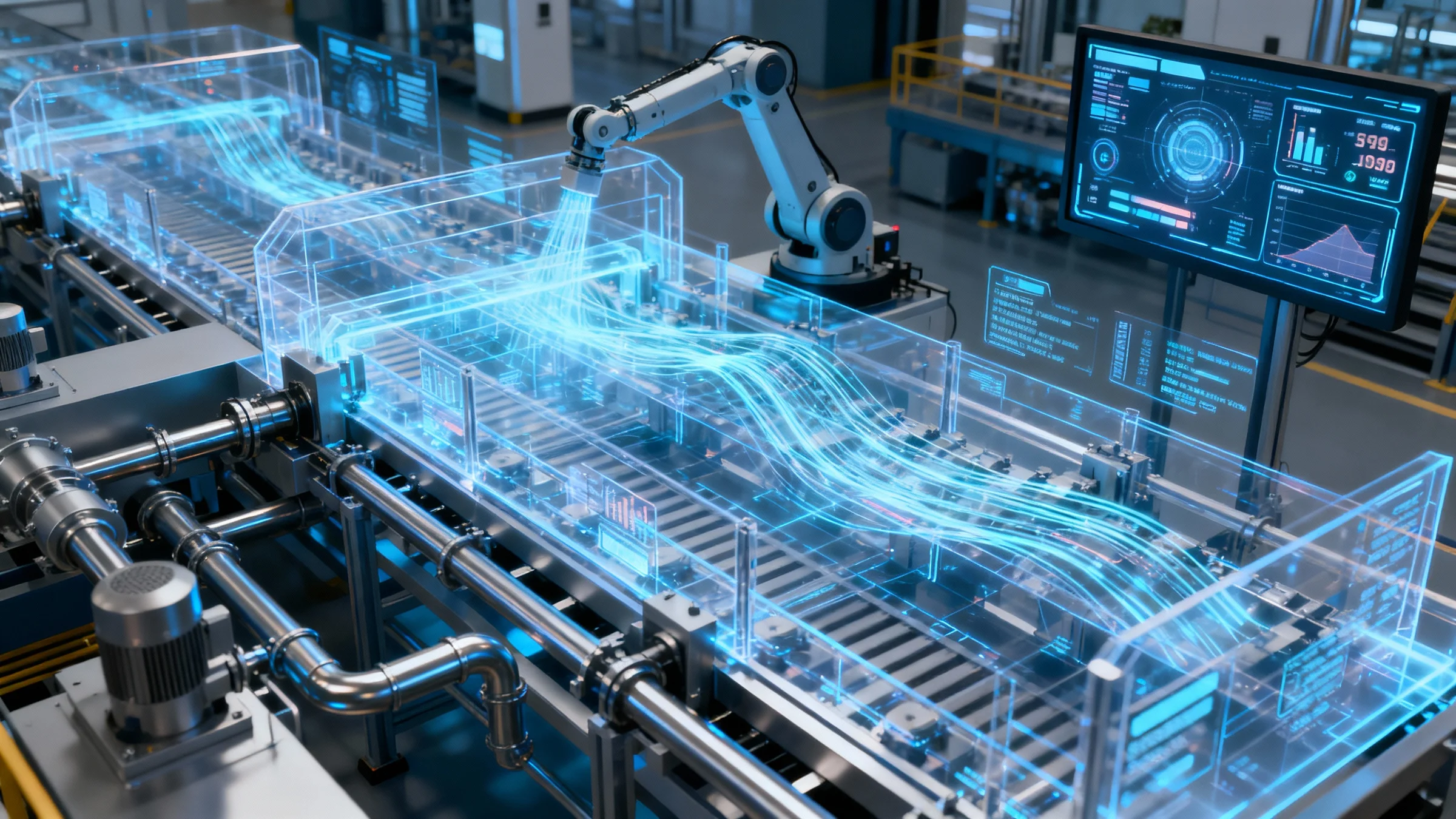
Temperature monitoring network: Multi-point temperature monitoring for large-scale units and key pumps and valves
Vibration analysis: Online analysis of vibration characteristics of rotating equipment and early fault identification
Corrosion monitoring: Online monitoring of equipment wall thickness and corrosion rate
Seal monitoring: Monitoring of mechanical seals and packing seals status
Predictive maintenance system:
Fault prediction model: Early warning of faults based on equipment operation data
Remaining life prediction: Prediction of the remaining service life of key components
Maintenance decision support: Optimization of maintenance timing and plans based on predictions
Optimization of spare parts inventory: spare parts demand prediction based on equipment status
Online diagnosis and repair:
Remote diagnosis: Remote expert diagnosis of equipment abnormalities
Online repair: Some faults can be fixed online, avoiding the need to stop the vehicle.
Performance Recovery: Identification and Recovery Measures for Declining Device Performance
Maintenance verification: Performance verification of the equipment after maintenance to ensure maintenance quality.
Knowledge Management System:
Fault Case Database: Accumulation and Sharing of Equipment Fault Cases
Maintenance Experience Database: Standardization and Inheritance of Maintenance Experience
Expert System: Equipment Management Expert Decision Support System
Training System: Equipment Maintenance Training Based on Real Cases
Digital Transformation: The Practice of Smart Manufacturing in the Chemical Industry
The digital transformation of the chemical industry is accelerating:
Digital Twin Factory:
Full-process modeling: Digital twin of the entire process from raw materials to products
Real-time synchronization: Real-time synchronization of data between the physical factory and the digital factory
Optimization simulation: Optimization simulation of process parameters and operating conditions
Virtual training: Operators receive safety training in the digital factory.
Intelligent scheduling optimization:
Production plan optimization: Production plan based on market demand, raw material supply and equipment status
Energy dispatch: Synergistic optimization of production planning and energy supply
Logistics optimization: Intelligent scheduling of raw material inbound and product outbound logistics
Inventory Optimization: Dynamic Optimization of Raw Materials, Work-in-Process, and Finished Goods Inventory
Intelligent Quality Control and Management:
Online quality monitoring: Real-time online monitoring of key quality indicators
Quality prediction: Quality prediction in advance based on process data
Quality traceability: Full-chain quality traceability from raw materials to finished products
Quality improvement: Continuous process improvement based on quality data
Supply chain collaboration:
Supplier integration: Data integration of key raw material suppliers
Customer collaboration: Focus on collaborative efforts with key customers and customized production.
Logistics tracking: Full tracking of raw materials and product logistics throughout the process.
Financial Services: Integrated Support for Supply Chain Financial Services
Economic Benefits and Social Value
Golden Chemical Solutions Create Significant Value:
Improvement in production efficiency:
The stable operation rate of the device has increased by 15-25%.
The rate of top-quality products has increased by 3 to 8 percentage points.
The capacity utilization rate of the equipment has increased by 5-10%.
The completion rate of production plans exceeds 99%.
Safety and environmental protection improvement:
The rate of safety accidents has decreased by 60 to 80 percent.
The compliance rate of environmental protection emissions is 100%.
The number of sudden environmental incidents has decreased by 90%.
Reduction of occupational health hazards
Cost savings are obvious:
Comprehensive energy consumption reduced by 8-15%
Raw material consumption is reduced by 3-6%.
Maintenance costs reduced by 20-30%
Product quality loss reduced by 50%
Investment return analysis:
For new installations: Payback period of 2 to 3 years, internal rate of return of 30% to 40%.
Renovation project: Payback period of 1.5 to 2 years, internal rate of return of 35% to 50%
Safety and environmental protection project: Payback period of 1-2 years, internal rate of return of 40-60%
Intelligentization project: Payback period of 2 to 3 years, internal rate of return of 25% to 35%
Under the dual goals of building a beautiful China and a manufacturing power, Godel Electric will continue to focus on the chemical industry, leveraging advanced and reliable control technologies to facilitate the industry's development towards safety, greenness, intelligence, and efficiency. From reaction control to separation and purification, from safety management to environmental protection, Godel control systems are safeguarding every critical link in chemical production.
Choosing Gorden Chemical Solutions means choosing a commitment to the future of the chemical industry. Let's join hands and use innovative control technologies to jointly promote the transformation and upgrading of the chemical industry, and contribute solid technical strength to building a strong chemical country.